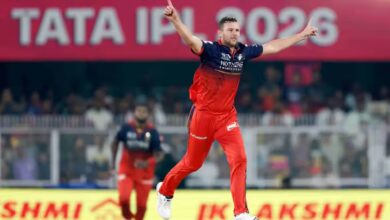
Patidar Du Plessis Captaincy Styles: Bobat Unpacks RCB’s Leadership Dynamics for IPL 2026
The Royal Challengers Bangalore (RCB) faithful are buzzing with anticipation for IPL 2026, and a fascinating discussion has emerged from the hallowed halls of the franchise. RCB’s Director of Cricket, Mo Bobat, recently offered a compelling insight into the nuanced Patidar Du Plessis Captaincy Styles, drawing a clear distinction between the seasoned leadership of Faf du Plessis and the emerging potential of Rajat Patidar. This isn’t just about who wears the armband; it’s about the very fabric of RCB’s future strategy and on-field temperament. Bobat’s words paint a vivid picture of two distinct philosophies, both vital in their own right, and both potentially shaping RCB’s fortunes in the years to come, as they strive for that elusive IPL title.
Faf du Plessis, the charismatic South African veteran, has been a pillar of stability and aggressive intent for RCB since joining the squad. His captaincy is often characterized by a calm demeanor under pressure, sharp tactical acumen, and an uncanny ability to inspire confidence in his squad. He leads from the front with the bat and his presence on the field is commanding. Bobat highlighted Faf’s vast experience in international and franchise cricket, noting how his decision-making is often a product of years spent in high-stakes situations. It’s a leadership forged in fire, emphasizing strategic execution and a keen understanding of game flow. When you look at the match statistics, Faf’s influence goes beyond his personal performance, often elevating those around him through his astute guidance and mentorship.
On the other side of the coin is Rajat Patidar, a dynamic Indian batter who has quickly carved out a niche for himself with his explosive hitting and growing maturity. While not yet a full-time captain at the highest level, Patidar has demonstrated glimpses of leadership, particularly through his responsible batting and commitment to the team’s cause during crucial phases. Bobat sees Patidar’s captaincy style as more instinctual, perhaps reflecting the modern, aggressive Indian cricketing ethos. It’s a style rooted in fearless play and an eagerness to take the game on, unburdened by past pressures. The challenge for Patidar, as Bobat implies, is to harness that raw talent and translate it into consistent, winning leadership. The contrast in their Patidar Du Plessis Captaincy Styles is clear: one built on extensive experience, the other on promising, assertive potential, poised for future responsibilities.
Dissecting the Patidar Du Plessis Captaincy Styles: Experience vs. Instinct
Mo Bobat’s commentary offers a rare look behind the curtain at how top franchises think about leadership succession and development. Du Plessis’ style is one of meticulous planning and adaptive strategy. He’s a captain who studies the opposition inside out, sets precise fields, and often relies on pre-meditated plans, while also being flexible enough to adapt on the fly. His calm exterior often masks a fiercely competitive spirit and a deep tactical mind. This veteran approach has brought a sense of calm and structure to the RCB dressing room, which has sometimes been criticized for its emotional highs and lows. He understands the ebb and flow of a T20 game intimately, making crucial calls under extreme pressure, a skill honed over countless competitive encounters across various leagues and national teams, including his significant stint as the South African captain.
Patidar, while relatively new to the captaincy landscape, showcases a different brand of leadership. His strength lies in his fearlessness and willingness to back his instincts, often making bold decisions that can turn the tide of a match. One can imagine him as a captain who encourages aggressive play, backing his bowlers and batters to express themselves freely, fostering an environment of daring and ambition. This approach could inject a fresh, dynamic energy into the team, particularly valuable in the fast-paced T20 format where quick thinking and audacious moves often pay dividends. Bobat’s explanation suggests that Patidar’s leadership, if given the opportunity, would be characterized by proactive decision-making and a strong emphasis on seizing momentum at every possible turn. The long-term vision for the RCB franchise clearly involves cultivating future leaders from within, and Patidar is undoubtedly a prime candidate.
The Strategic Implications of Patidar Du Plessis Captaincy Styles for RCB’s Future
The discussion around these distinct leadership approaches isn’t merely academic; it has profound strategic implications for RCB. For IPL 2026, the management will undoubtedly weigh the benefits of Faf’s tested leadership against the potential for Patidar to grow into a future captain. Bobat’s remarks indicate a forward-thinking management that isn’t just focused on the immediate season but on building a sustainable leadership pipeline. It’s about understanding how different personalities can inspire and guide a team towards collective success. Perhaps a blend of both styles, or a gradual transition where Patidar learns under Faf’s tutelage, could be the key to RCB finally lifting that coveted IPL trophy, leveraging the best of both worlds within their leadership structure.
The challenge for any team is to integrate diverse leadership qualities effectively. Du Plessis provides a steady hand, a mentor figure, and a tactical maestro whose presence instills confidence. Patidar offers youthful vigor, aggressive intent, and a burgeoning leadership presence that resonates with the new generation of cricketers who thrive on expressive play. The question then becomes: how does RCB leverage these complementary strengths for maximum impact? Will Patidar be nurtured under Faf’s guidance, learning the ropes of high-pressure captaincy? Or will RCB eventually transition to a younger, more instinctual leader to spearhead their future campaigns? These are exciting times for RCB fans, as the franchise seems to be thoughtfully planning its leadership future, recognizing the unique value each Patidar Du Plessis Captaincy Styles brings to the table.
Ultimately, the effectiveness of any captaincy style is measured by results and team cohesion. Both Faf du Plessis and Rajat Patidar bring immense value to RCB, albeit in different capacities. Faf’s legacy is already cemented, but his continued presence provides invaluable experience and a blueprint for success. Patidar’s journey as a potential leader is just beginning, filled with promise and the potential to define RCB’s next era with his dynamic approach. Bobat’s observations provide a fascinating glimpse into the internal workings and strategic considerations of a major IPL franchise, highlighting the importance of understanding individual leadership traits and how they can best serve the team’s objectives in the relentless pursuit of silverware. The debate around the ideal Patidar Du Plessis Captaincy Styles will continue to be a hot topic among fans and analysts alike, fueling discussions until IPL 2026.
Leadership Comparison: Faf du Plessis vs. Rajat Patidar
| Attribute | Faf du Plessis | Rajat Patidar |
|---|---|---|
| Experience Level | Vast (International & Franchise Captain) | Emerging (Limited captaincy experience) |
| Style Described by Bobat | Strategic, calm, experienced, meticulous planner | Instinctual, fearless, dynamic, aggressive, proactive |
| Key Strengths | Tactical acumen, man-management, pressure handling, field setting | Proactive decision-making, aggressive mindset, leading by example with bat, seizing momentum |
| Impact on Team | Stability, structure, confidence, mentorship, consistency | Energy, youthful exuberance, attacking intent, fresh perspective |
| Potential Role | Current captain, strategic leader, mentor for younger players | Future captain, key leadership group member, aggressive enforcer |
Quick Facts: Patidar Du Plessis Captaincy Styles at a Glance
- Faf du Plessis: A veteran leader known for his strategic mind, calm presence, and extensive experience under pressure.
- Rajat Patidar: An emerging leader characterized by his instinctual, fearless, and aggressive approach to the game.
- Mo Bobat’s Insight: RCB’s Director of Cricket highlights the distinct philosophies and complementary strengths of both players.
- Strategic Vision: RCB is focused on developing a sustainable leadership pipeline, looking beyond immediate results.
- Complementary Strengths: Faf offers experience and structure; Patidar brings youthful energy and aggressive intent.
- IPL 2026 Focus: The franchise aims to strategically leverage both leadership styles for optimal team performance and long-term success.
- Future Outlook: Bobat’s comments suggest a thoughtful approach to leadership transition and development within the RCB setup.
The dialogue surrounding the distinct approaches of Faf du Plessis and Rajat Patidar underscores the meticulous planning taking place within the RCB camp for IPL 2026. It’s not just about picking a captain; it’s about aligning leadership styles with the team’s long-term vision and tactical philosophy to finally achieve their championship aspirations. The future of RCB’s leadership looks exciting, whether it continues under the experienced hand of Faf or transitions to the dynamic potential of Patidar, ensuring a strong foundation for years to come.
What are your thoughts on Mo Bobat’s assessment of Faf du Plessis and Rajat Patidar’s captaincy styles? Who do you think is better suited to lead RCB in IPL 2026, and why?